VIDEOWatch
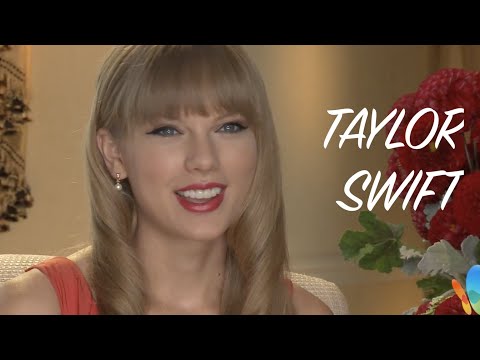
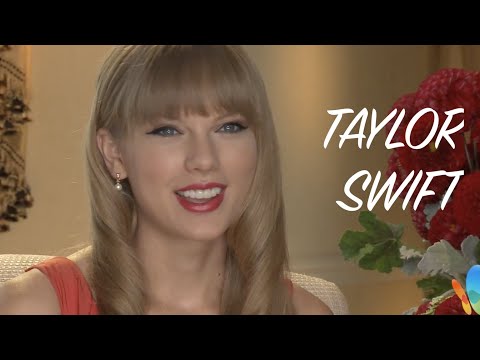
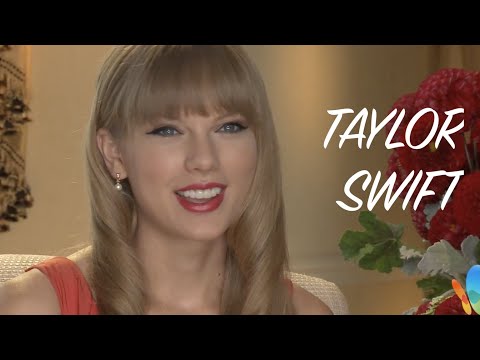
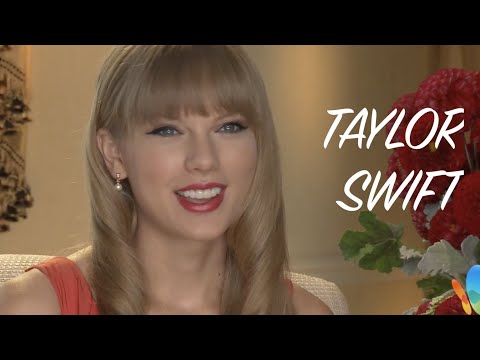
5 clips · 10:39 total
For licensing inquiries please contact reelinintheyears.com. How licensing works →
AUDIOListen
Episode #412 · Taylor SwiftSeptember 2012 · 00:04:17
TRANSCRIPTRead
Show full transcript
0:16I've been writing the new album for two years. I started writing it in 2010 and finished it in 2012, so those are some really important years in my life. I went through a lot, I learned a lot of lessons, and so to get to write about your life as it's happening to you, I really loved that. The fans want to know what's going on with me. The album Speak Now was a completely different project than the new album, Red. There are so many differences in how it was made, why I made it, the reasons behind the songs. Speak Now was really about saying things that I had been either too shy or too scared to say in the past. And as you grow up, I think making that album and promoting that album taught me to be more bold about how I feel, what I think, and
1:09incorporating that into my life. You end up in some intense, tumultuous conversations or relationships, and I think in living my life in a little bit more of a braver way, I got to experience the kind of life experiences that would inspire an album like Red. I collaborated a lot on this new album because I wanted to. I just felt like as an artist, you know, putting out your fourth album, you have two choices: you can stay the same or you can evolve. And I really wanted to bring in my influences, these people who I'm a huge fan of, and have them help shape this album.
1:54And so I felt so lucky that my favorite people in music wanted to be a part of this record. I'm inspired to write songs at any time of day, when I'm going through something or when the dust has settled and I'm over it. It can be anything. It can be, you know, I'll just be doing dishes or something, or, you know, in the middle of an interview, and I could get an idea in my head that just kind of sticks out as, like, that could be a hook, that could be a pre-chorus, that's like a first line. You know, sometimes it's lyrical, sometimes it's got a fragment of melody attached to it, and the unpredictability of it is what makes me continue to fall in love with songwriting over and over again. When I'm writing songs, the only thing I'm thinking about is
2:52portraying that emotion as accurately as possible, so that if I were to play it for the person it's about, they would know it's about them and they would know exactly what I was talking about. And, you know, then I think about my fans and if that's gonna help them with something they're going through in their life, if it's something they could relate to. And then I think about what it would be like to play it in an arena, and how we would treat that, and what the lighting would look like. That's kind of the third thing I think about. I think for me, having a magnifying glass on my life has been a good thing, and kind of a difficult thing at times, because you feel like you literally just can't get away with anything sometimes.
3:41You're like, wow, if I make a mistake, it's gonna be really loud. That's gonna be everywhere. But it also helps to kind of shape your decision-making process. Because everything that I do is gonna be documented and in computers forever, it makes me think about what the little kid in the front row would think, and what my grandchildren would think one day if I made this choice or that choice. I think it's kind of a good governing tool. It makes you more responsible for how you act.
ABOUTThe archive
This interview is part of the Matt Schichter Interviews archive: more than 700 conversations with musicians, actors and filmmakers recorded between 2003 and 2014, beginning with The BackStage Pass, one of the first podcasts (2003). The archive also became Matt's short documentary Lennon or McCartney. Matt Schichter is now a Glasgow-based producer, line producer and music documentary director: he directed CFNY: The Spirit of Radio (PBS, TVO) and line produced Faith (TIFF and Rome 2026). His films → · UK film producer and line producer → · More about Matt →
Listen to the full archive on Apple Podcasts or Spotify.